QVI Home > Patients
|
This page and subsequent sections are designed specifically for our patients or other non-medical persons who are interested in learning more about our services. We hope that you will find this section useful, informative and that it will answer many of the questions you may have about your upcoming visit to Quality Vascular Imaging. And should you need any additional information, please feel free to call us at either facility. Thank-you. If you have been referred to us for testing:
If you have been given our order sheet, the testing location should be circled at the top (or it should be quite obvious depending upon where you live.) The day and time should also be noted. We make a practice of calling our patients the day prior to their exam to confirm the appointment. A map is provided on the back of our order sheet or you can click here!
IMPORTANT NOTE: Please bring your referral slip to your appointment!
The exam is to evaluate for the presence of vascular disease. The length of your test will be approximately ¾ to 1 ½ hours depending upon the exam and other factors. All testing is non-invasive and there are NO injections, contrasts, or X-ray. Vascular ultrasound diagnosis is noninvasive, painless, and poses no known risk. There is no preparation for this test unless you are scheduled for a peripheral arterial or abdominal evaluation, in which case you should have no food or drink (except water and medication) 8 hours prior to the test. Diabetic patients should eat and take medication as usual.
Billing Information Quality Vascular Imaging accepts assignment of benefits for all Medicare patients. We also participate with many other insurances so if you have any questions, our billing staff can answer any questions you may have. QVI will also bill any other insurance company for you if you bring all insurance information to your appointment. For billing inquiries, please call your local QVI office.
If you have any other questions, please feel free to call at any of our locations.
For additional
education information, also please visit our articles page.
We also encourage you to spend some time browsing our site which tells you more about the vascular anatomy, how blood vessels work, various vascular diseases and conditions. We then use ultrasound and other technologies to determine if a person has vascular disease, and if so, its extent. This allows your physician to be able to determine how best to dal with the condition. There are some great images! If you or anyone you know have an aortic aneurysm, we recently published a case study that illustrates the critical importance of regular ultrasound surveillance to check for enlargement. Click the QVI logo below |
|


Locations
Venice
4120 Woodmere Park Blvd
Suite 8B
Venice, Fl 34293
(941) 408-8855
(941) 408-8955 Fax
Sun City Center
1647 Sun City Center Plaza
Suite 201
Sun City Center, Fl 33573
(813)642-8353
(813) 642-8369 Fax
Compression Socks?
We carry the BEST!
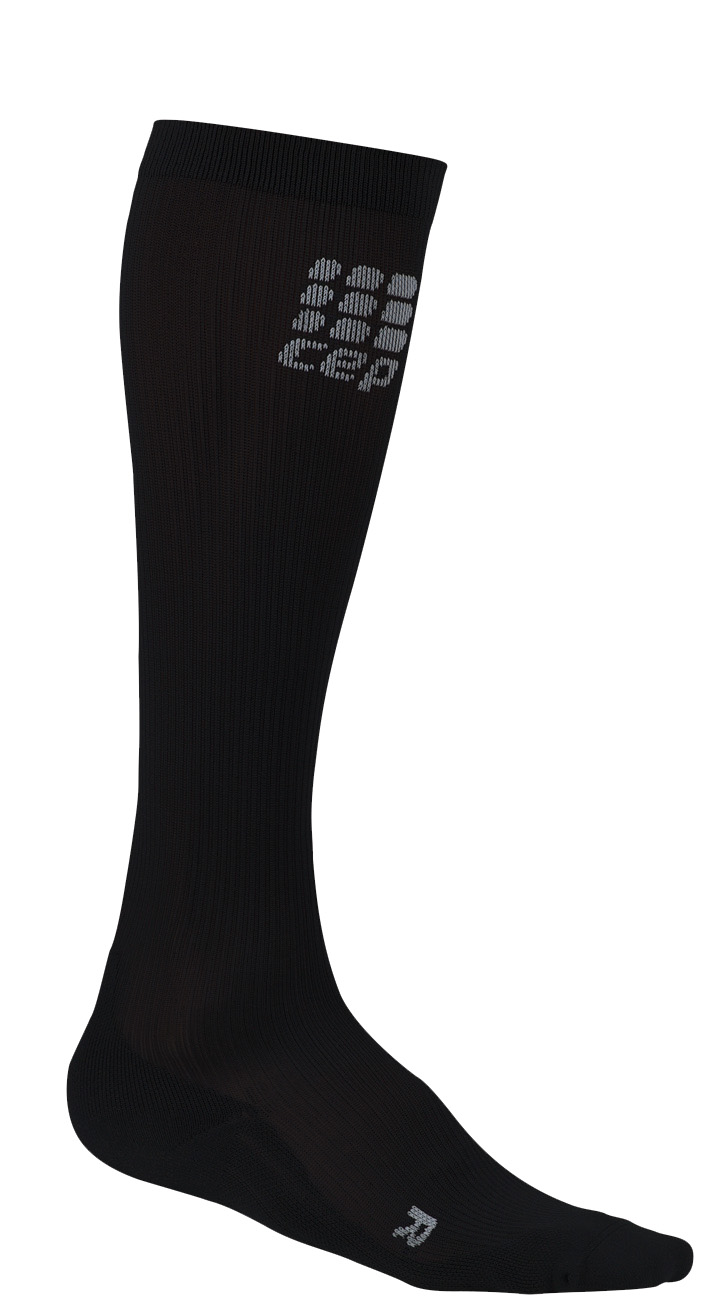
Compression socks are not only a main stay in the treatment of venous and lymphatic disease but are now used by elite athletes everywhere. Please visit our webstore for more information about compression therapy by clicking the image above! .