Due to insurance regulations, physicians cannot typically order examinations unless the person has specific signs and symptoms of disease. Unfortunately, most vascular diseases are silent until their most advanced stages. To answer this need, screening exams are services similar to diagnostic tests, however use abbreviated protocols designed to simply detect the presence or absence of disease. These screening exams are performed with Ultrasound - a simple painless test that uses high frequency sound waves to obtain a picture of the blood vessels and information about blood flow. If "significant" disease is identified, your physician can then order a complete diagnostic examination which will then often be covered by many insurances. There has been a relatively large demand for these services as evidenced by several national, billion dollar companies who frequently set up equipment and personnel in various hotels, churches, and community centers around the country. These tests do not require a physician order! They can be performed at the request of the patient! Simply contact us for an appointment. While primarily a "diagnostic" testing facility, QVI began performing these services at the request of local physicians as they often found they could not depend upon the results provided by many of these screening companies. At QVI, we use state of the art instrumentation. Most importantly, QVI staff are easily the most qualified vascular technologists in Florida. (For more on why this is critically important - click here to see the QVI staff page) All studies are reviewed by a member of our highly qualified physician panel - the same physicians that review all our diagnostic testing. We provide you immediate results or can forward them to your physician. Who should undergo screening - While hardening of the arteries (atherosclerosis) commonly affects the elderly, it can strike people of any age. Although there is no way to tell for sure who will develop this disease, we do know that people with certain traits are more likely to develop the disease.
Controlling these factors goes a long way to preventing the formation or progression of plaque in your arteries! Types of vascular screens - Carotid Artery Disease - is the most common cause of stroke in the USA. Because most carotid artery blockages are silent until pieces of the plaque break loose, early detection with accurate assessment is the key to prevention. At QVI, we have the most sophisticated equipment available for detecting this common condition. Our ultrasound instrument uses a super computer to compound multiple images that provides a unique view of the artery and any plaque buildup inside. If you have known vascular disease elsewhere or are at high risk for disease, this test can identify if you are at risk for a stroke from carotid artery disease.
Leg Discomfort - may be a result of peripheral arterial disease (PAD). This refers to blockages in the leg arteries commonly caused by atherosclerosis or hardening of the arteries. This can result in leg pain or discomfort that occurs with walking and is known as claudication. This common affliction can go unnoticed for many years because it usually progresses slowly and onset of symptoms is gradual until it is finally diagnosed. Individuals with this common condition are often at risk for vascular disease elsewhere.
Aortic Aneurysm - An aneurysm is a ballooning of the artery wall and the abdominal aorta is one of the most common locations for aneurysms to develop. Abdominal aortic aneurysm (AAA) affects between 3 and 9% of the population being much more prevalent in males and especially if you have a close relative who had a AAA. It is estimated that 1.5 million Americans have a AAA but only about 50% of those have been diagnosed. An AAA is usually discovered on physical exam by the physician, or during an x-ray examination done for other reasons. This is because most aneurysms cause NO SYMPTOMS until they rupture. Unfortunately, the majority of people with AAA rupture will die so it is important to know if AAA is present. A quick, painless ultrasound procedure can determine if you have this life threatening condition! To learn more about these diseases, please visit the QVI website sections on each specific area by clicking on the title. The price for these is only $45.- each or a complete Arterial Screen which includes the Carotid / Stroke screen, Peripheral Arterial Disease Screen, and Aortic Aneurysm Screen for only $100. Call and schedule your screening today and receive a free pedometer to help you get moving and keep going on your exercise regimen! |
QVI Home Virtual Vein Center Why QVI really is the Best in Vascular Ultrasound! Case of the Month Patients Referring Physicians Health Professionals Site Map |

Current Happenings

Introducing our new educational website.

Virtual Vein Center is a new concept in educational delivery. Get the education you need and want, when you need it. If you need CME, you can get them here as well.
To read more about it, click here for a complete page. Feel free to go to the site and browse around.

Several QVI staff took time to attend the 2014 American College of Phlebology Annual Congress in Phoenix Arizona in November to deliver numerous workshops and lectures. It was a high quality meeting as usual. The complete program is available for download here.
The 2014 SVU Annual Conference was held in Orlando and several QVI attended and presented numerous presentations. Jeannie was also honored as a Fellow of the SVU.
To read more
Jeannie recently attended the 25th Society of Vascular Medicine 2014 Annual Conference as an invited speaker in La Jolla, Ca. Her numerous lectures were very well received.
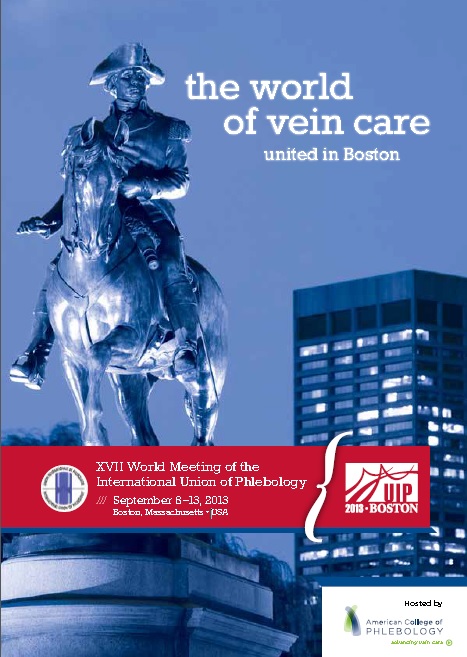
The International Union of Phlebology, in conjunction with the American College of Phlebology held its World Meeting in Boston in September 2013. Held only every 4 years, this was the first time ever in the US. Several QVI staff were invited speakers presenting some original scientific research.
Sydney, Australia

Bill was the International Keynote Speaker at the Australian Sonographer Association Annual National Conference in Sydney.
What a great experience!
To read more about this and our other international teaching

QVI was once again awarded the D.E. Strandness Award for Scientific Excellence at the 2013 SVU Annual Conference.
To read more -
Medical Compression socks continue to be on the forefront of venous treatment. Recently, they have entered the realm of the athlete. To learn more about what compression socks can do you you, please visit compressionsocks.pro

QVI wins the D.E Strandness Award at the 2012 SVU Annual Conference!
Read more about it!
To go to the
CASE OF THE MONTH!
Click the QVI logo
Compression Socks?
We carry the BEST!
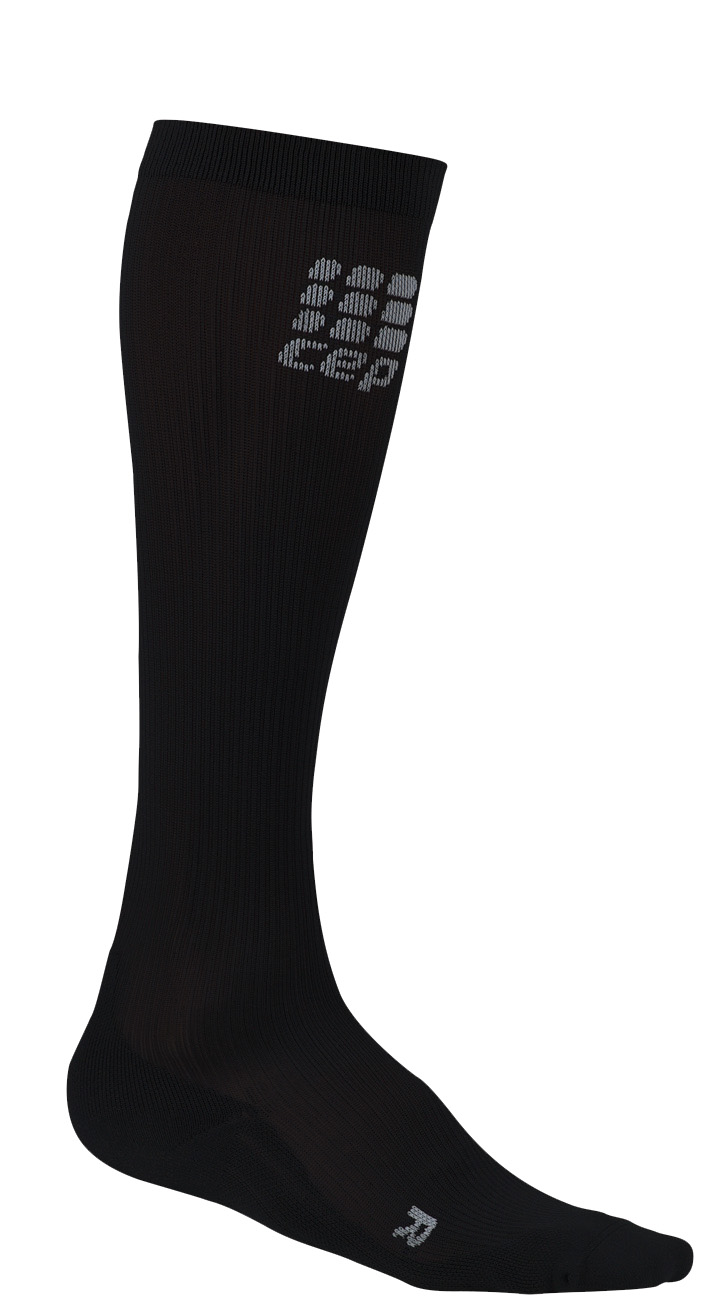
Compression socks are not only a main stay in the treatment of venous and lymphatic disease but are now used by elite athletes everywhere. Please visit our webstore for more information about compression therapy by clicking the image above! .